Educaring® Principle: Sensitive Observation

Sensitive observation of the child in order to understand their needs

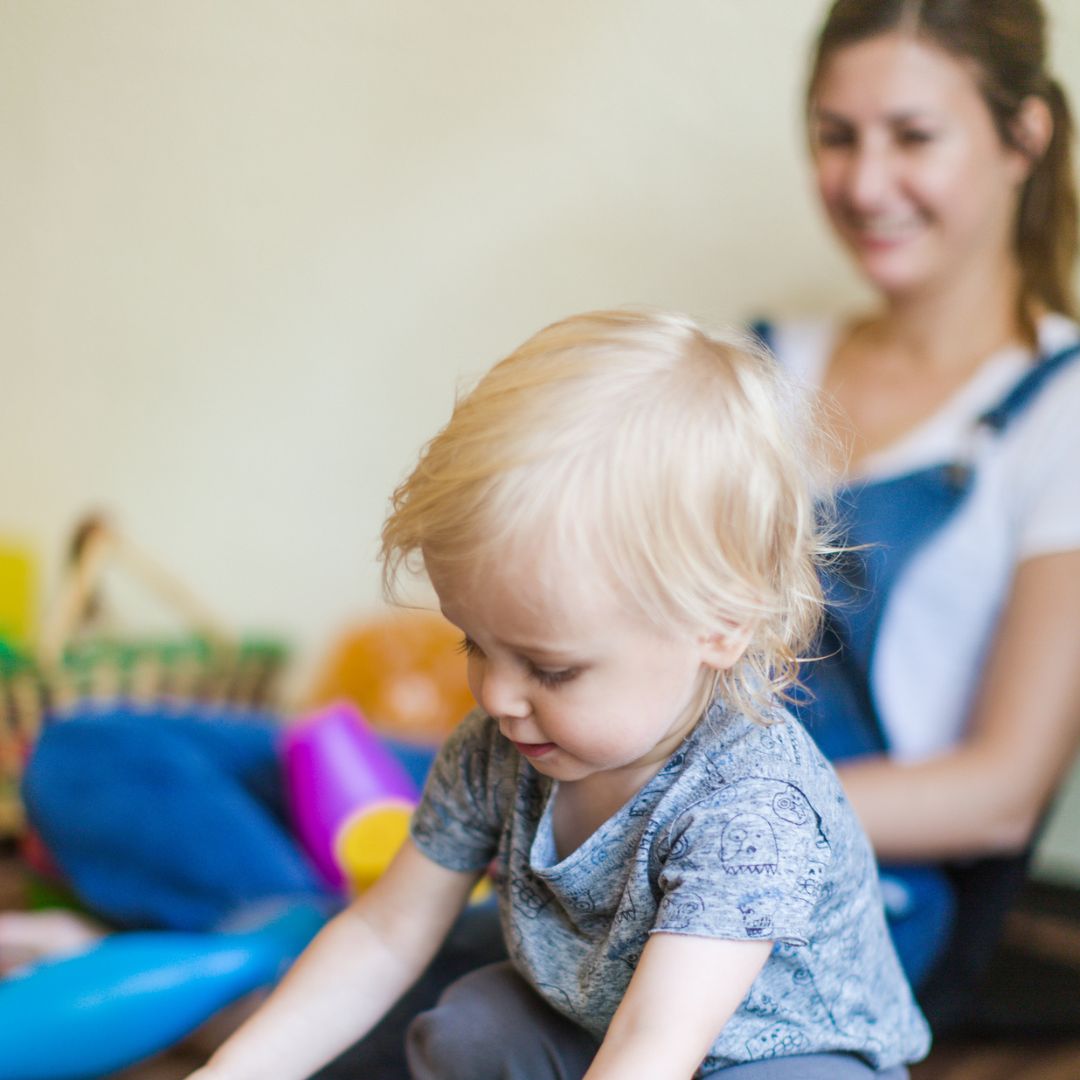
Toddler in foreground with woman in background smiling and looking on at RIE® Parent Infant Guidance™ Class

“A central concept in RIE is that we use sensitive observation in order to understand the child. Observation is a human default mode. It’s part of our survival system. But when we’re talking about understanding children, we have to tune our attention a little bit differently. When a child needs some help from us, we use what we have as our first impulse to try to intervene on their behalf. And sometimes that doesn’t work. And so when our first instinct doesn’t work, we step back a little bit and we start consciously observing to see what might be needed. We pay attention in a more focused way to the cues the child is putting out to the clues in their communication. The goal of sensitive observation is to increase our attunement with the child, to give the child the genuine sense of being understood, and when the child feels understood, then there’s more likelihood that we’re going to be operating in harmonious ways with the child. So the purpose of sensitive observation is improved communication and more well-targeted interventions.”

Ruth Anne Hammond, RIE Associate

Involvement of the child in all caregiving activities to allow the child to become an active participant rather than a passive recipient
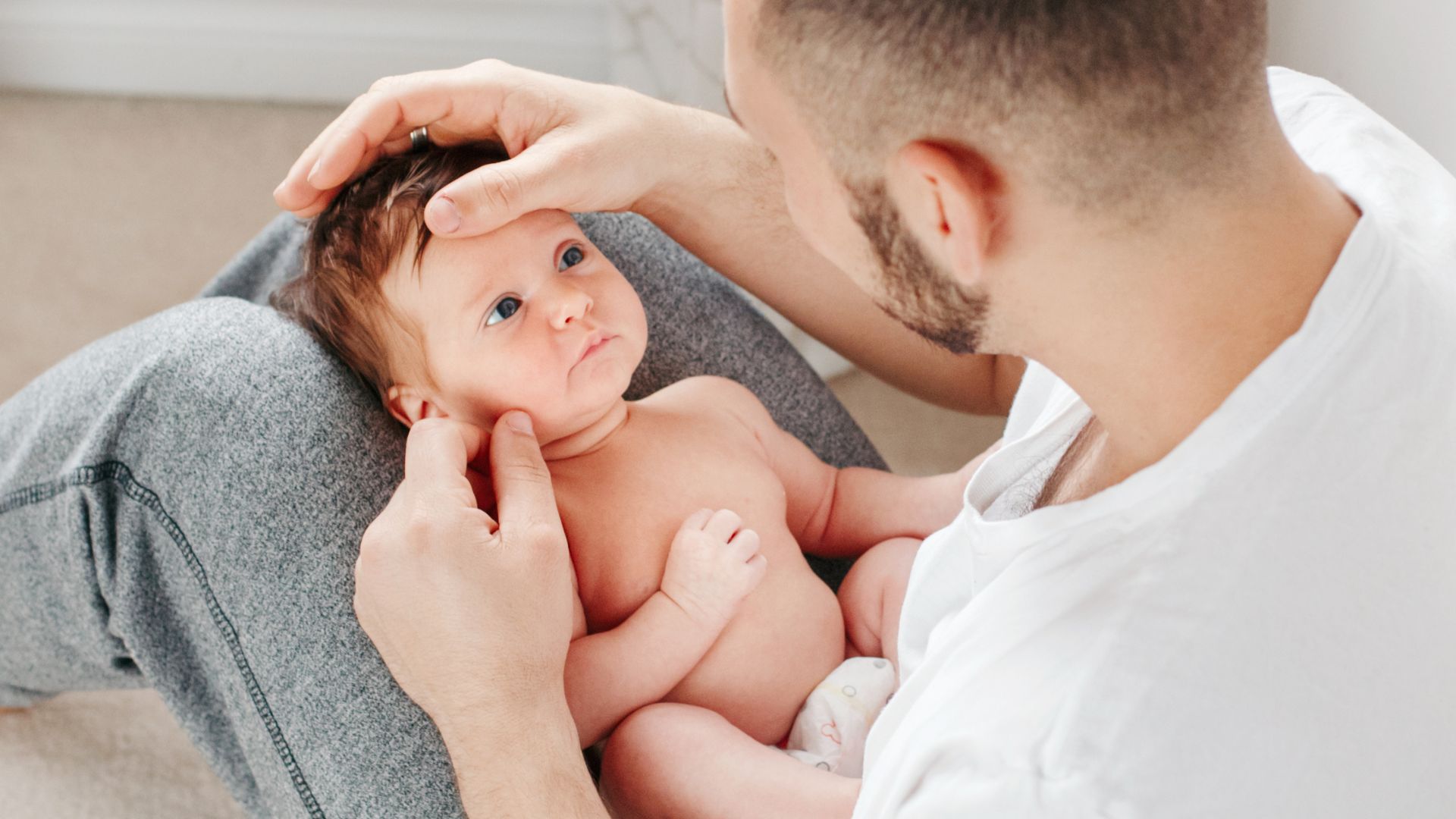
Baby lying on their back looking intently at a woman who is leaning towards them.

“In the RIE approach, we encourage adults to allow children to be active participants rather than passive recipients in all the caregiving activities. You’d be surprised how quickly an infant can begin to understand your requests. You think it’s silly to talk to babies because they don’t speak, right? You think they can’t understand you, but they actually are learning from early on, and even a very young baby can lift a leg or put a leg down in helping with a diaper change. They’ll even kick their leg through their pants when you ask them. The main thing is to remember how important it is to slow down. They don’t process our requests at the same speed that an adult does. If we slow down, they can keep up and they can become really involved, and this gives them a very strong sense of their own ability to be part of every event that concerns them.”

Ruth Anne Hammond, RIE Associate

An environment for the child that is physically safe, cognitively challenging, and emotionally nurturing
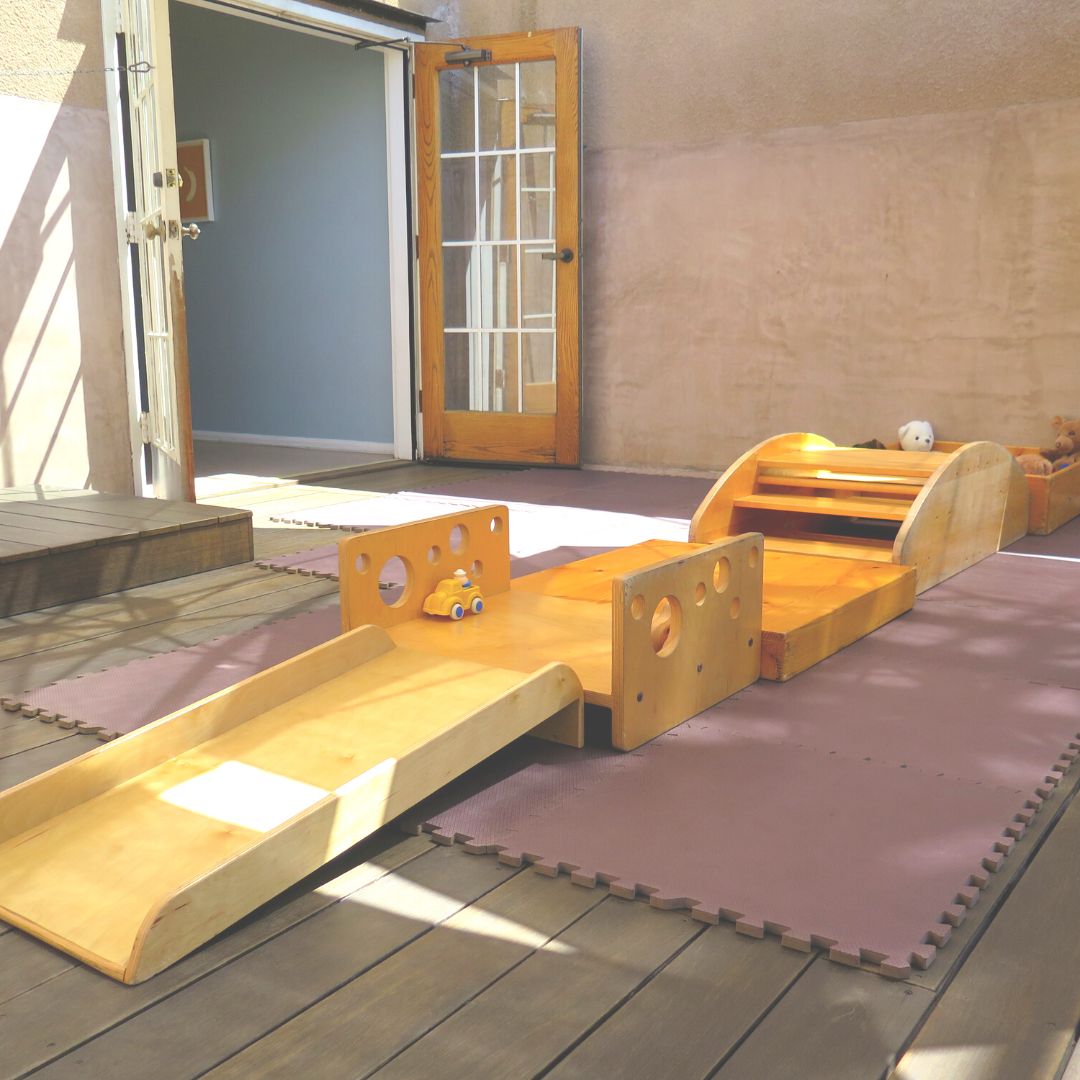
RIE® Hollywood Center ready for families to attend a RIE Parent Infant Guidance™ Class.

“Place is important for young children just like it is for adults. What we want to do is to try to create a cognitively challenging, physically safe and emotionally nurturing environment in which they can be the explorers, the small pioneers that they really are. Think about what explorers do, right? They scan the environment for what’s out there, what’s here for me, what can I do with it? They check for safety. Is it safe here? Is there danger around the corner? So children are testing their environment just the same way an explorer does when they’re out in the wilderness.

Usually the environments we see infants and toddlers in are manmade or human made environments, and everybody wants to provide children with the optimal learning environment, right? Parents want to provide that for their children. Oftentimes, the most guidance they get is from toy manufacturers, but there’s another way to do these things. And in RIE, we offer children a variety of actually quite simple everyday objects that they can explore in many different ways. We don’t want to offer them things that have only one kind of use or that have hidden mechanisms in them that are run by batteries. We take things from the kitchen. A small metal bowl will offer children many hours of play that they might not get from a busy box. A simple cloth napkin may give them the chance to learn peekaboo, and then later on, it can become a doll blanket or a washcloth or whatever they imagine it to be.

So it’s very simple. A big jug of water that has the lid glued on can give them so many opportunities to test their balance and figure out how do I keep standing up while I’m holding onto something really heavy? So it’s actually fun to explore your own house and figure out what things that children can safely play with. But thinking of the social environment, it’s really a fact that our attitude is what sets the tone of the environment for the child. What is it that the air has in it? What – is it the air of freedom? Or is it the air of – I better be careful. Somebody’s going to tell me no. I don’t know if I’m allowed to do this. So creating a space in which children feel an expansive sense of themselves and what’s possible is what we want to do.”

Ruth Anne Hammond, RIE Associate

We give the infant plenty of time for uninterrupted play
Infant on stomach reaching for object in RIE® Parent Infant Guidance™ Class

“One of the most important RIE principles is the idea of giving children time for uninterrupted play. We all have this very well-meaning desire to be as helpful to infants as we possibly can, but if we help too much, then they don’t get the joy and excitement of discovery. Swiss psychologist Jean Piaget was famous for saying, “whenever you teach a child something, you forever destroy her opportunity to discover it for herself.” So we want them to have those moments of, “I did this! I discovered this!” It’s out there, and giving them lots of time to fiddle around and kind of be doing nothing, from an adult point of view. You may think they’re doing nothing, but they’re having an internal experience possibly? They may be following a train of thought that we don’t have any idea what it is they’re considering, but they do think about what they’re doing while they’re doing it, even though they can’t talk necessarily. And if we interrupt, we may be interfering with some important concept that they’re working through. Just imagine if you were writing an email to a work colleague and you were trying to word it just right, and somebody came up and just started talking to you at random while you were really thinking, what word is the best word to use here? It would be an intrusion, right? You would not appreciate that, and it’s okay to talk to babies when they’re playing. If they look at you and ask for a comment, that’s one thing, but to interrupt without an invitation is not the same. So observing them while they play and letting them know how much we value what they’re doing by allowing them to do it in a peaceful, unhurried way, that’s how we can really help them.”

Ruth Anne Hammond, RIE Associate

Basic trust in the child to be an initiator, an explorer, and a self-learner

“On the subject of trust, there’s much to say. In RIE, we say we should trust infants to be initiators, explorers, and self-learners, which is a little different than the traditional idea of basic trust. Babies are learning to trust parents, trust themselves, trust the world. But what Magda Gerber taught is that we need to also trust them, that it’s a bi-directional relationship of trust. And there’s trust coming from the adult to the child, just as we hope there will be trust from the child to the adult. The child needs to have faith that when they’re in discomfort, when they’re hungry, when they’re upset, that a grownup will come and be with them and comfort them. And then the adult needs to learn that the child actually has many, many inborn capacities. And what RIE teaches is that that self-initiation is what we come to trust. So if we think that babies are empty vessels that need somebody to pour a lot of knowledge into them, then we’re going to think that we are in charge of what they’re learning. But in fact, they come into the world actively seeking experiences and information and all kinds of joyful times and learning to problem solve and learning to fill their own time in a meaningful way. We don’t have to spend all of our energy making sure that, oh, they’ve got their letters, they’ve got their numbers, they’ve got their colors, their shapes, because they absorb those things so organically as they’re exploring. The father of affective neuroscience Jaak Panksepp discovered there are basic genetically passed-on systems in the brain that cause humans to instinctually seek out what’s in the environment. He also discovered that there are brain parts dedicated to play. And so trusting infants to find experiences and find knowledge, it is not just an idea. It’s built into human nature to go and do that. And babies come into the world, human, fully human. They may not be fully mature humans, but they have what it takes to go out in the world and find what they’re looking for.”

Ruth Anne Hammond, RIE Associate

Freedom to explore and interact with other infants
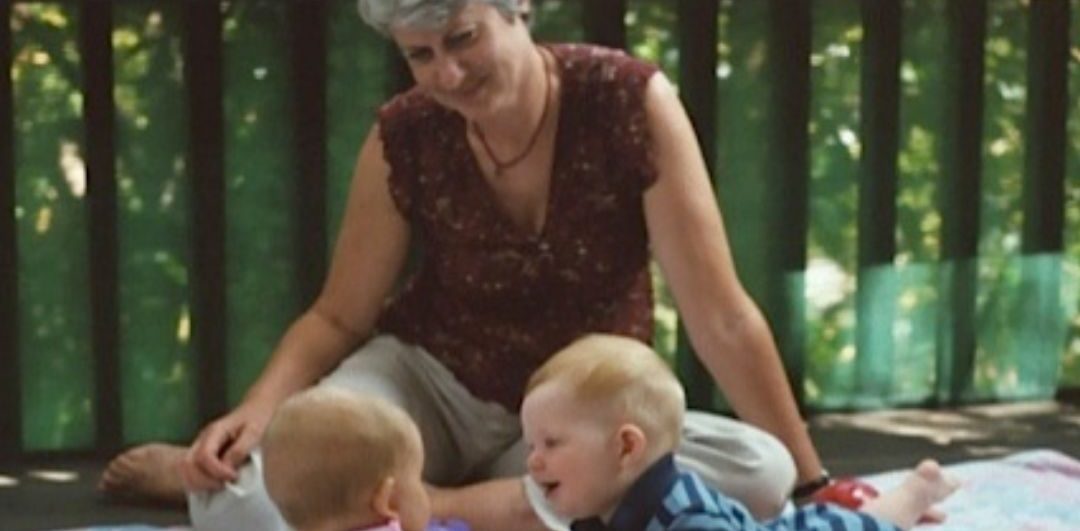
Two infants laying on their stomachs, one holding an object and the other reaching for it taken during a RIE Parent Infant Guidance Class

“The freedom to explore and interact with other infants is something that we cherish at RIE. It’s surprising how much they really enjoy being together. It starts off – they just gaze at one another and then you might see a smile, and then they reach out and they touch and it’s just magical. And sometimes they make mistakes. Little babies might be interested in the other child’s eyes and maybe start to poke a finger, and so it’s important to be there to intervene if necessary, but you don’t want to give them the idea that there’s anything wrong with wanting to touch and interact with the other child because that is so central to their humanity. Getting in touch with the other person in that way, that brings on curiosity and interest and wonder. We want to support that, and that’s what we do at RIE. There was a brand new class of infants at the stage of crawling, and they had not been with other infants ever before, and you could tell that they were so amazed that there were other people their size! And I’ll never forget Theodore crawling up to Georgia and kissing her, and she went back for a second kiss. Being together is important for adults, but it’s also really important for even babies.”

– Ruth Anne Hammond, RIE Associate

Consistency and clearly defined limits and expectations to develop discipline

“Sometimes people get the impression that RIE children are allowed to do whatever they want, all the time because we let them play freely – but this is not the truth.

Parents and caregivers need to provide consistent expectations and limits for children in order for them to be able to know what to expect in their day.  And we offer them the security of being able to anticipate what is expected of them.

So even if a child needs to test – which of course they need to do because that’s in their genetic makeup, is to try things out — we don’t want to shame them for their desire to try, but we just stop the behavior – for instance if a child is very disappointed that there aren’t strawberries at lunch, but only apples, they may decide they’re going to throw their milk on the ground in protest, and we can sympathize with their sad feelings of not having strawberries, while at the same time stopping the behavior in a firm but kind and calm manner.”

– Ruth Anne Hammond, RIE Associate

“Passive toys make for active infants and active toys make passive infants.” – Magda Gerber

How to Do It:

What kinds of toys for babies should we choose?

  • Open-ended: they allow the infant to decide how to use them. Toys that are replicas of items limit the ways children use them. Choosing items that are versatile allows infants to create for themselves. They use their own ingenuity in using the materials, which can support these new ideas.
  • Safe: cleanable, too large to swallow or lodge in the nose or ear, breathable if they can cover the nose and mouth.
  • Passive: they allow the infant to act upon them rather than do for the infant. 

Some ideas of simple objects:

  • Wooden Rings
  • Sturdy cotton or linen fabric square 
  • Plastic containers of all sorts with lids
  • Metal juice can lids
  • Metal canning rings
  • Balls in a variety of shapes and sizes
  • Plastic colanders

Why we do it:

  • Increases attention span
  • Supports open-ended play
  • Supports creative thinking
  • Supports independent play
  • Supports executive function development

When choosing play objects embody the mantra “less is more.” The less the object does the more the infant and toddler can do.  The less the toy specifies how it is to be used the more ingenuity the infant is allowed to bring to the time spent with the object. 

Limiting the number of play objects is also important. Choosing too many reduces a child’s ability to focus on any one item for long periods of time. An abundance of objects means the child spends more time deciding what to play with and less time exploring the object in its many facets, capabilities and uses.

Simple objects, especially for toddlers, may come from the kitchen or recycling. You need not spend a lot of money on toys for your baby to stimulate learning. Simple objects build your baby’s capacity for creativity and attention.

Ties to Principles:

  • Basic trust in the child to be an initiator, an explorer and self learner.
  • A safe, challenging, predictable environment.
  • Time for uninterrupted play and freedom to explore.

What parents and carers say:

“The irony is that the real educational toys are not the flashy gadgets and gizmos with big promises, but the staples that have built creative thinkers for decades.” — Alison Gopnik, PhD

References:

Dauch, C., Imwalle, M., Ocasio, B., & Metz, A. (2017, November 27). The influence of the number of toys in the environment on toddlers’ play. Retrieved December 08, 2020.

Temple University. (2007, November 26). Simple Retro Toys May Be Better For Children Than Fancy Electronic Toys. ScienceDaily.

Gerber, M. (2002) Dear Parent: Caring for Infants with Respect (pp. 97-101) 
Greenwald, D. and Weaver, J. (2013), Gerber, M. (1979) The RIE Manual.

Adapted from Dear Parent: Caring for Infants with Respect and The RIE Manual